
"cultivation area"
10000 article(s) found
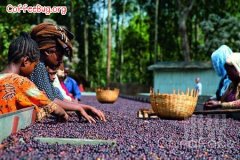
Harald Coffee one of the highest elevation areas of coffee cultivated in Ethiopia
Harald (Harar) is 1600 meters above sea level, and the Harald Heights in eastern Ethiopia is one of the highest elevation areas for human coffee cultivation (some even claim to be as high as 2000 Murray 2,700 meters). Across the Gulf of Aden, overlooking the two ports of Moka and Aden in Yemen. For centuries, Harald coffee farmers carried coffee beans down the mountain with camels, donkeys or carriages, risking being besieged by hyenas.

Cultivation of boutique coffee beans in lemon and citrus-flavored Shakiso area geographical location, climate, altitude is simple
The coffee producing areas of Ethiopia are Sidamo, Harald and Sidamo, Harrar and Yirgacheffe. Sidamo and Harrar are provinces and divisions. Sidamo is located in the south of Ethiopia bordering Kenya, and Harrar borders Somalia in the east of Ethiopia. Although Yirgacheffe is a community in the Sidamo region, due to soil composition and water content and other reasons.

A brief introduction to the cultivation of boutique coffee beans in the wild Shaquiso producing area, geographical location, climate and altitude
Harald Coffee this coffee grows in areas ranging from 900m in the Darolebu plain to 2700 m in the highland mountain range of Chercher in eastern Ethiopia. These mountains do provide unique characteristics for these perennial coffee beans: the fruit is full and long, moderately acidic, and the typical mocha is refreshing.

Basic knowledge of coffee botany
According to the botanical description of coffee: coffee is Rubiaceae, coffee genus, perennial evergreen shrubs or small trees. There are more than 60 types of coffee classified, but there are roughly two varieties of coffee grown commercially on a large scale, one is Arabica, accounting for about 70 percent of the world's coffee planting area, and the other is Robasta, accounting for about 30 percent of the world's coffee planting area. According to our country

The latest situation of Los Congo Manor in Nicaragua introduction to the cultivation of Coffee
Los Congo Manor is located in the town of San Fernando in Novo Segovia, Nicaragua, in the north of Nicaragua, near the Honduran border, which is the highest producing area in Nicaragua. Near the other side of it, it is also the best producing area in Honduras. Nicaraguan Coffee Bean wbr Powder Wbrros Congo Manor 2011 COE Runner-up wbr Bourbon Kaddura Los Congo

Coffee botany knowledge
The botanical description of coffee is: "Coffee is Rubiaceae, coffee, evergreen shrubs or small trees."

Knowledge of coffee botany
There are more than 60 kinds of coffee, but there are roughly two varieties of coffee grown commercially on a large scale, one is Arabica, accounting for about 70 percent of the world's coffee planting area, and the other is Robasta, accounting for about 30 percent of the world's coffee planting area.
Boutique Coffee knowledge about Coffee Botany
According to the botanical description of coffee: coffee is Rubiaceae, coffee genus, perennial evergreen shrubs or small trees. There are more than 60 types of coffee classified, but there are roughly two varieties of coffee grown commercially on a large scale, one is Arabica, accounting for about 70 percent of the world's coffee planting area, and the other is Robasta, accounting for about 30 percent of the world's coffee planting area. According to our country

A brief introduction to the cultivation of boutique coffee beans in Shaqisuo producing area, geographical location, climate and altitude
Yirgachefe Coffee this coffee grows in areas ranging from 1500 to 2200 meters above sea level. This coffee is washed in a clear stream, carefully selected by hand and exposed to plenty of sunshine. The taste is unique; the fruit is medium-sized, comparable to Mocha. The taste is mellow, the charm is unique, it gives people a fresh feeling, and the market prospect is optimistic. According to estimates, in 4200
The Development of Coffee cultivation in Laos
Coffee in Laos has gone through a lot of development in the past 20 years. The speed of development in the past 20 years is faster than that in the past 80 years. The coffee history of Laos can be traced back to 100 years ago. At that time, France was the colonial ruler of Vietnam, Cambodia and Laos, and they began to experiment with growing various crops in these areas. Coffee was quickly found in farmers in Vietnam and Laos.
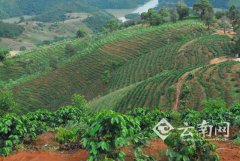
Coffee cultivation in Lincang City has become the second largest coffee producing area in Yunnan.
It was learned from the conference on the development and promotion of coffee industry in Lincang City, Yunnan Province that by the end of 2013, the coffee planting area in Lincang City had reached 554200 mu, making it the second largest coffee producing area in Yunnan.

Introduction to cultivation techniques of Coffee Fruit
Cultivation techniques require that the origin of coffee trees [4] is in Ethiopia in Africa. In botany, coffee trees belong to the evergreen trees of the subgenus Rubiaceae, and coffee beans, commonly known as coffee beans, are actually the seeds of the fruit of coffee trees. They are called coffee beans only because they are shaped like beans. Climate is the decisive factor for coffee cultivation, and coffee trees are only suitable for growing in the tropics or subheat.
Coffee cultivation techniques how to cultivate coffee seeds pruning and fertilization of coffee
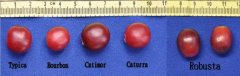
Professional coffee knowledge exchange more coffee bean information please follow the coffee workshop (Wechat official account cafe_style) A coffee tree bears fruit several times a year. Coffee is a perennial evergreen shrub of Rubiaceae. At present, there are two kinds of coffee with economic value: Coffea arabica (Arabica) and Coffea canephora (Robusta).

Introduction of Columbia Huilan coffee bean roasting degree grinding scale taste variety manor producing area
The coffee produced by a production combination of two hundred and ninety-six families near the city of Bitlid, south of Huilan County, Colombia. The average cultivated area of producers in the city of Bitlid is 2.5ha, and the elevation is about 1500 meters. The soil here is slightly acidic, and the coffee produced will be sweet and refreshing if roasted properly; the legendary Colombian traditional washing method is produced here.

Yunnan Arabica Coffee Huaguoshan Fine Coffee Bean Planting Location Climate Sea
Yunnan coffee is a variation of Arabic original species, after long-term cultivation and domestication, generally known as Yunnan Arabica coffee, has been cultivated for more than 100 years. Yunnan coffee due to unique geographical environment and climatic conditions, formed a strong but not bitter, fragrant but not strong, with a little fruity unique flavor, world-class coffee experts evaluation is the best coffee in the world, its cultivation

Classification of Coffee in Chinese National Standard
There are more than 60 kinds of coffee, but there are roughly two varieties of coffee grown commercially on a large scale, one is Arabica, accounting for about 70 percent of the world's coffee planting area, and the other is Robasta, accounting for about 30 percent of the world's coffee planting area.

Low yield coffee cultivation conditions Cultivation process and method Introduction
West Africa is the origin of Liberian coffee. It has strong adaptability to various environments such as high temperature or low temperature, humidity or dryness. It is not resistant to leaf rust and its flavor is worse than Arabica. Therefore, it is only traded domestically in some West African countries (Libya, Cote d'Ivoire, etc.) or planted for research. Coffee circulating in the world market

Classification of coffee by the National Standard for Coffee Botany
There are more than 60 types of coffee, but there are roughly two types of coffee grown on a commercial scale, one is Arabica, accounting for about 70% of the world's coffee planting area; one is Robasta, accounting for about 30% of the world's coffee planting area. According to the classification of coffee by China's national standards, it is mainly divided into the following five varieties. 1. Arabica coffee, i.e. Arabian species. origin

Slightly sour Cuba Crystal Mountain Fine Coffee Bean Cultivation Location Climate Elevation Profile
Cubita is praised and affirmed by food families from all over the world. It is known as the unique Caribbean coffee, the special coffee beans in the island coffee beans, and the crystal mountain coffee produced in Cuba's crystal mountain, so it is called Cuban crystal mountain coffee. Crystal Mountain Coffee is synonymous with top Cuban coffee because this area produces precious minerals such as quartz and crystal in addition to coffee. crystal

The cultivation of Arabica coffee beans at altitude requires the characteristic graceful curve of Arabica coffee.
Professional coffee knowledge exchange more coffee bean information please follow the coffee workshop (Wechat official account cafe_style) front street-Arabica coffee introduction coffee belongs to the Rubiaceae coffee evergreen shrubs, mainly grown in the tropical and subtropical areas between the Tropic of Cancer (latitude 2326), this area is also known as coffee belt (Coffee Belt) or coffee area (Coffee Z)